


Agent Corner

Life Expectancy Gap: Two Powerful Reasons Women Live Longer: And How Men Can Increase Their Lifespans  

When it comes to aging, 80 is the new 50. Thanks to modern medicine and other factors, people have a far greater lifespan than in centuries past. In 1900, the average life expectancy was just 47 years, and only 68 years in 1950, according to Harvard Health. When it comes to the sexes, women have outlived men for over a century, and the latest data shows the gap is now roughly six years (with men living around 74 years and women around 80). But with a few simple changes, men can help close the gap and enjoy more vibrant health in their golden years.  

How Men Versus Women Manage Stress   

No one is a stranger to stress, and how we manage it may be helpful or harmful to our long-term health. After a hard day, or unfortunate setback, men are more likely than women to turn to alcohol or other negative coping mechanisms to help ease their stress. Poor habits like this can chip away the years and impact their health.  

In a study by Tara M. Chaplin, associate research scientist at Yale University School of Medicine, women were more likely to say they were sad or anxious after a stressful event. Men, however, were prone to craving alcohol. According to Chaplin, the response “may be a learned behavior or may be related to known gender differences in reward pathways in the brain.”  

While men may reach for a drink, women tend to reach for a friend. This fundamental difference is significant, as sharing our burdens or concerns often leads to positive outcomes and greater social support—which plays a tremendous role in the quality and length of our lives. Just like physical fitness, “social fitness” offers potent protective effects that can help us stave off major diseases, including coronary heart disease, arthritis, Type 2 diabetes, dementia, and many other conditions.  A woman’s propensity to phone a friend, to seek solace when she is overwhelmed, or to simply lean into her emotional experience is a powerful stress-coping mechanism.  

 If reaching out is more often a woman’s way, the same applies to seeking medical care.  

Medical Care Makes a Difference  

According to the Centers for Disease Control and Prevention, women see their doctors more frequently than men, from young adulthood to midlife. This proactive approach might help manage or prevent certain health conditions. Simply being aware of our health status may also prompt us to take better care our ourselves.  

Experts also believe that men may see mental illnesses such as depression and anxiety as a sign of emotional weakness and may therefore resist diagnosis and treatments. This can adversely affect the heart and immune system, and lead to insomnia, chronic pain, weight issues, relationship difficulties, isolation, and other problems.  

“There is a greater societal acceptance of ‘emotionality,’ particularly sadness and anxiety, in women than in men,” Chaplin said.  

Changing the Status Quo: How Men Can Make Better Health Decisions   

Making health-minded decisions can help men change the status quo and lessen the longevity gap. Certain factors may not be feasible to change, but men can do other things to promote longer and healthier lives, including:  

  • Scheduling regular health check-ups with a doctor  

In terms of living a long and robust life, relationships are the cornerstone—including the ones we share with family, friends, and ourselves.  

July Health Care Report

Read The Daily Sun report on how TVH is working with community partners to keep our hometown healthy!

07/30/2024
READ THE DAILY SUN ARTICLE

07/23/2024
READ THE DAILY SUN ARTICLE

07/16/2024
READ THE DAILY SUN ARTICLE

07/09/2024
READ THE DAILY SUN ARTICLE

07/02/2024
READ THE DAILY SUN ARTICLE


Are you a Mosquito Magnet? Here’s Why and What to Do About It

Being attractive can be a good thing, unless the species you attract are mosquitoes. These pesky insects can put a damper on your parade, picnic or outdoor activity. And while any human could become their next blood meal, they seem to prefer certain people. If you’re one of the unlucky ones, you may want to know why—and if there’s anything you can do to make yourself less appetizing.

Body Heat & Sweat
Mosquitoes are drawn to human heat sources and lactic acid, a substance your body uses to produce energy while you exercise. Being outdoors when the temperature is high makes you an accessible heat source, and when you work up a sweat, you increase your odds of attracting mosquitos. Studies show they’re especially fond of bacteria that may grow in abundance on your ankles and feet.

Alcoholic Beverages
Although the proteins in your blood are what they’re after, mosquitoes like you better when you’ve been drinking. Research is mixed on the reasons for this, but there’s no doubt that consuming alcohol invites more mosquitoes your way.

Carbon Dioxide
People naturally exhale carbon dioxide while breathing, which mosquitoes can sense in the atmosphere. If you’re a heavy breather, you’re probably emitting a lot of carbon dioxide and unintentionally calling out, “Dinner time,” to nearby mosquitoes.

Wardrobe
While they may not care whether you’re sporty, casual or boho-chic, mosquitoes seem to prefer certain colors. According to research in the journal Nature Communications, mosquitoes are drawn to the colors red, orange, black and cyan. Some experts believe their color preference also applies to skin tones, particularly red and pink hues.

Perfumes, Lotions and Potions
Some scents may deter mosquitoes, including lavender, lemongrass, peppermint, rosemary, eucalyptus and more. However, certain skin products, such as deodorant, lotion, floral perfume and beauty treatments containing alpha hydroxy acids, can make you bug bait.

How to Tell Mosquitoes to Bug Off
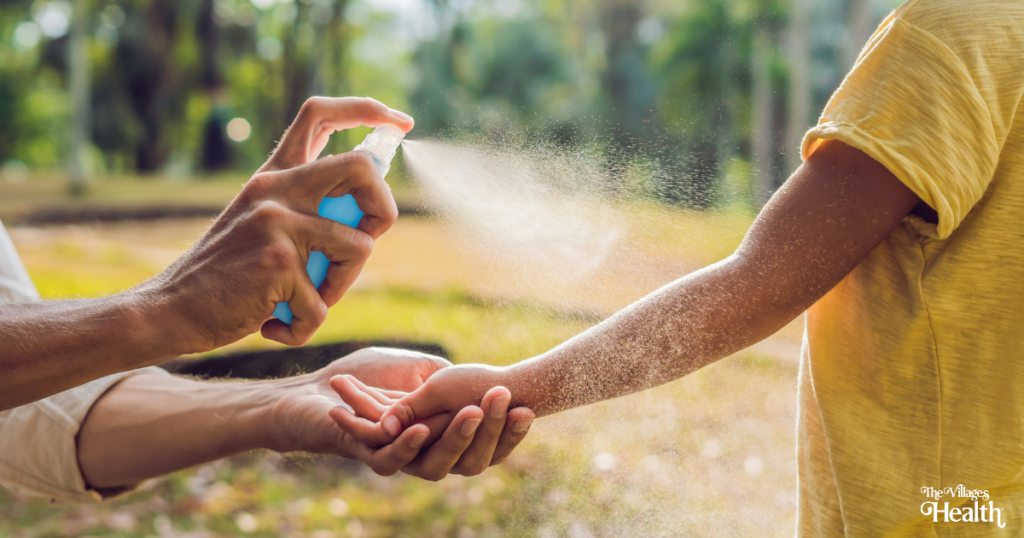
Although mosquitoes will always see people as prey, you can reduce your chances of being bitten and take precautions to keep them away. Wearing long sleeves and pants, fabrics treated with insect repellent, or the colors green, purple, white and blue, might help. In addition, wearing products containing DEET or oil of lemon eucalyptus are shown to be effective deterrents. It’s important to remember that itchy, red bumps aren’t the worst that can happen when mosquitoes bite. Mosquitos carry and transmit diseases, including West Nile virus and dengue, which can be dangerous to humans.


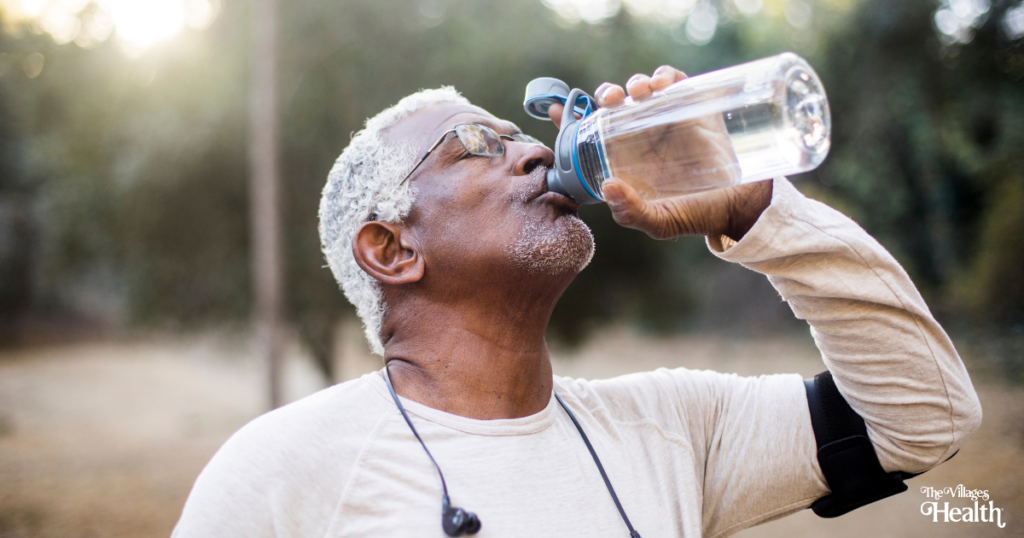
Stay Hydrated This Summer: Test Your Hydration Knowledge

5 Facts About Hydration to Test Your Hydration Knowledge

When it comes to fueling our bodies, we often focus on food. We reach for an afternoon snack when we’re sluggish and call ourselves “hangry” when we’re anxious, lethargic, or irritable. But research shows that people often mistake thirst for hunger because the symptoms typically overlap—including lack of concentration, headaches, nausea, low energy, and dizziness. Water plays a major role in our bodily functions and is vital to every organ and cell. Understanding our need for it could help us better manage our health, lose weight, sharpen our minds, and even improve our physical fitness. But first, we should clear up some common myths that we’ve likely heard about hydration.

True or False: Test Your Hydration Knowledge

1. Drink Eight Glasses of Water Daily for Proper Hydration

False
There’s no one-size-fits-all rule about water intake. This may come as a surprise to anyone who’s heard of the eight-per-day rule. The truth is more nuanced, however. The exact amount of water a person needs depends on several variables, including their diet, weight, health status, activity level, environment, and other factors. Although eight glasses of water per day may be enough for some people, a better goal is around 15.5 cups for men and 11.5 cups for women, according to the U.S. National Academies of Science. Keep in mind that up to 20% of our water may come from food, especially if we eat lots of fruit and veggies.

2. Caffeinated Beverages Don’t Count Towards Hydration

False
Drinking pure water is ideal, but caffeinated beverages can also be hydrating. Although caffeine is a diuretic, meaning it increases urination, the effects are typically too mild to make a difference overall. According to the National Institutes of Health (NIH), most people can safely consume up to 400 mg of caffeine daily without the risk of dehydration.

3. Dehydrated Driving is Similar to Drunk Driving

True
Most people try to drive responsibly and are fully aware of the dangers of drunk driving. But according to researchers at Loughborough University, dehydration can be just as risky. When it comes to cognitive impairment, drunk can look a lot like dehydrated. In fact, those who are even mildly dehydrated are shown to make the same clumsy driving mistakes, including lane drifting and late braking. Water consumption is vital to brain functioning and can positively or negatively impact our thinking, memory, and concentration.

4. Drinking When Thirsty is the Best Way to Avoid Dehydration

False
Most people are already dehydrated by the time they feel thirsty. That’s because thirst is the body’s response to poor fluid intake. Waiting for cues is a dangerous approach, especially for older adults whose bodies send fewer thirst signals. To avoid dehydration, drink water several hours before going outdoors and continue hydrating while you’re active. Afterwards, replenish any fluids you may have lost through sweating by drinking at least 12 to 24 more ounces.

5. Water Aids Weight Loss

True
Drinking water may help curb your appetite when your body registers the feeling of fullness. A study in the National Library of Medicine showed that people who drank two glasses of water before a meal ate 22% less than those who didn’t. In addition, water is shown to stimulate thermogenesis, the process of heat production. This happens when we drink cold water, which can speed up the metabolism by up to 30% as the body uses energy to regulate the water’s temperature.


Resources:
Yes, drinking more water may help you lose weight | Hub (jhu.edu)
Does Coffee Actually Dehydrate You? No, and Here’s Why – GoodRx
Immediate pre-meal water ingestion decreases voluntary food intake in lean young males – PubMed (nih.gov)
Hunger vs. thirst: tips to tell the difference | PKD Foundation Blog (pkdcure.org)
Study: Driving Dehydrated As Dangerous As Driving Under The Influence – CBS Pittsburgh (cbsnews.com)


Preventative Care

How often do you see your PCP for preventative care? Read the Daily Sun column to learn more about why you should schedule a preventative visit today!

READ THE DAILY SUN COLUMN


June Health Care Report

Read The Daily Sun report on how TVH is working with community partners to keep our hometown healthy!

6/25/24
READ THE DAILY SUN ARTICLE

6/18/24
READ THE DAILY SUN ARTICLE

6/11/24
READ THE DAILY SUN ARTICLE

6/04/24
READ THE DAILY SUN ARTICLE


Creating a Higher Quality of Life

It’s no secret that Villagers have an unmatched quality of life. The Villages Health is helping to increase the quality of life by creating America’s Healthiest Hometown. Read the Daily Sun to learn more.

READ THE DAILY SUN COLUMN


May Health Care Report

Read The Daily Sun report on how TVH is working with community partners to keep our hometown healthy!

5/28/24
READ THE DAILY SUN ARTICLE

5/21/24
READ THE DAILY SUN ARTICLE

5/14/24
READ THE DAILY SUN ARTICLE

5/7/24
READ THE DAILY SUN ARTICLE


Living with Diabetes

Do you have diabetes, tried various ways to feel better, but still struggle? The Villages Health endocrinology team may be just what you need to start your healing journey! Read the Daily Sun to learn more.

READ THE DAILY SUN COLUMN


Hearing Aids

Are you experiencing issues with your hearing aids? You may have moisture trapped in them. Read the Daily Sun to learn more.

READ THE DAILY SUN COLUMN


Stay Informed

Sign up for our newsletter to receive the latest news.

After my surgery the care was incredible. It was coordinated by my physicians. I didn't have to do anything. They informed me that a nurse would be coming to my house for the next two weeks, every other day, as well as a physical therapist.

Joe Sidoti, Patient at Colony Care Center & Specialty Care Center